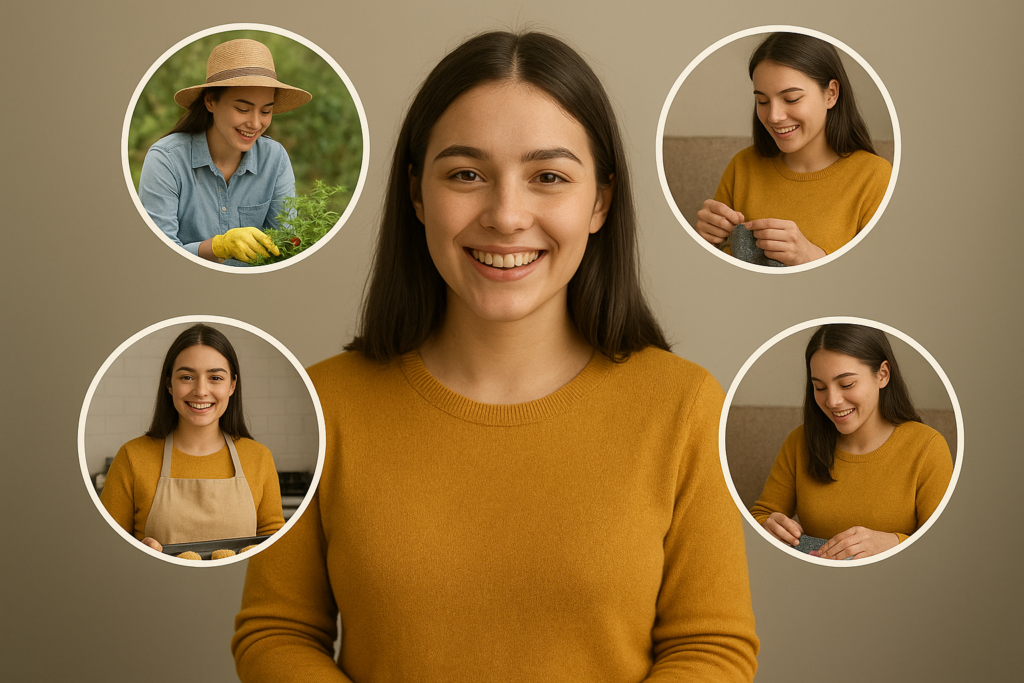
In today’s fast-paced, technology-driven world, people are constantly searching for ways to stay calm, centered, and mentally grounded. Interestingly, many of the answers lie in the age-old hobbies practiced by our grandmothers. These “grandma hobbies” are not just about nostalgia or tradition—they are powerful tools for improving mental well-being, cultivating mindfulness, and reconnecting with simple joys.
Whether it’s knitting, gardening, baking, or journaling, grandma’s hobbies remind us to slow down and appreciate the process rather than just the outcome. Let’s explore why these activities are so grounding, which hobbies you can try, and how they contribute to mental health.
Why Grandma Hobbies Are Grounding
- Slowing Down in a Fast World
Many traditional hobbies encourage patience and presence. Unlike scrolling on social media or binge-watching shows, activities like sewing or gardening require time and gentle attention. This naturally slows the mind and eases stress. - Engaging the Senses
Grandma’s hobbies often involve sensory engagement—feeling the yarn in knitting, smelling freshly baked bread, or hearing birds while tending to a garden. Engaging the senses is a mindfulness technique that reduces anxiety and fosters calmness. - Creativity Without Pressure
These hobbies aren’t about competition or productivity metrics. A slightly uneven stitch or imperfect loaf of bread is still beautiful. The freedom from perfectionism makes them mentally liberating. - Connection to Heritage and Memory
Practicing hobbies passed down through generations creates a sense of belonging and identity. It can also strengthen family bonds when shared with loved ones.
Grandma Hobbies That Promote Mental Grounding
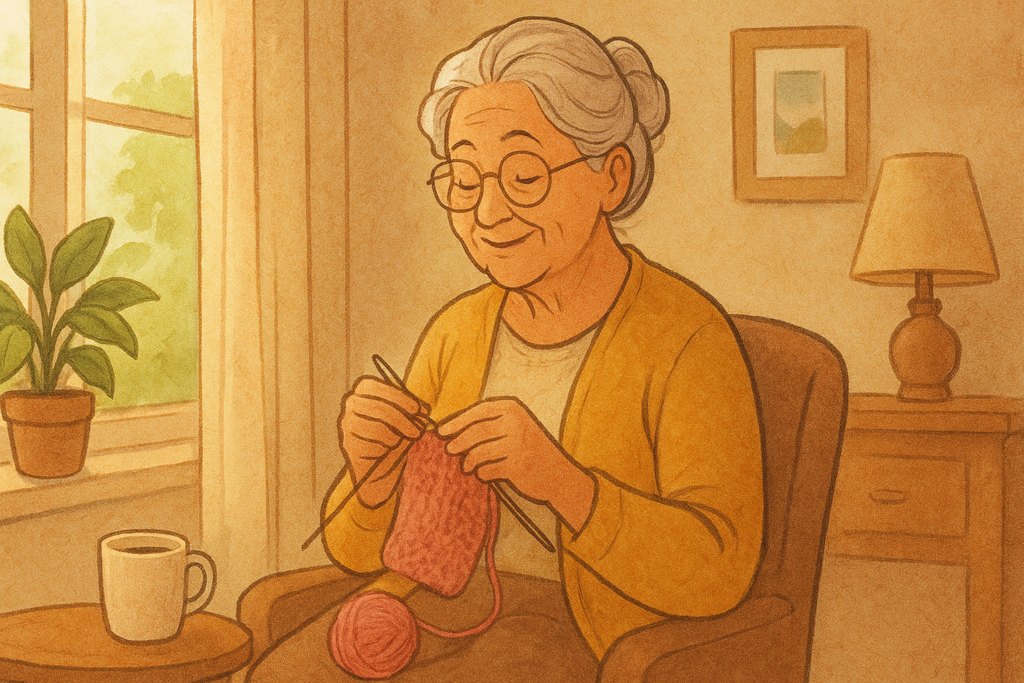
1. Knitting and Crocheting
Knitting is often described as “yoga for the mind.” The repetitive movements create a meditative rhythm that lowers stress and promotes relaxation. Studies have even shown that knitting can reduce symptoms of anxiety and depression.
2. Gardening
From planting seeds to watering plants, gardening teaches patience and nurtures a connection to nature. Digging soil and watching plants grow has proven therapeutic benefits, helping people feel grounded and less overwhelmed.
3. Baking and Cooking
Baking isn’t just about the end product—it’s about the process. Measuring ingredients, kneading dough, and savoring the aroma all help anchor you to the present moment. Plus, cooking for loved ones fosters a sense of care and connection.
4. Sewing and Quilting
Hand-stitching fabrics or creating quilts is both creative and practical. The focus required for sewing draws attention away from negative thoughts, while the tactile activity provides grounding.
5. Embroidery and Handicrafts
Intricate needlework teaches patience and concentration. It also results in tangible creations, giving a sense of accomplishment and pride.
6. Letter Writing and Journaling
Before instant messages, letters were written thoughtfully, word by word. Practicing letter writing or journaling helps organize thoughts, process emotions, and strengthen gratitude.
7. Storytelling and Reading Aloud
Many grandmothers spent evenings telling stories. Sharing or reading aloud helps strengthen imagination, emotional connection, and relaxation before bedtime.
8. Herbal Remedies and Home Care
Some traditional practices involved preparing herbal teas, remedies, or natural household products. These connect us to nature while reinforcing self-care and mindful living.
Mental Health Benefits of Grandma Hobbies
- Stress Reduction: Activities like knitting or baking lower cortisol levels.
- Mindfulness: Gardening and journaling foster present-moment awareness.
- Cognitive Engagement: Sewing or embroidery stimulate focus and fine motor skills.
- Emotional Healing: Writing letters or sharing stories helps express and process emotions.
- Sense of Purpose: Creating something tangible boosts confidence and self-worth.
How to Get Started
- Pick One Hobby at a Time – Choose something that resonates with you, like gardening or journaling, and practice it consistently.
- Start Small – You don’t need to master quilting in a week; begin with simple projects.
- Create a Ritual – Dedicate a specific time each day or week to your hobby for structure and mindfulness.
- Share the Joy – Involve friends, family, or community groups to make it more meaningful.
Final Thoughts
Grandma hobbies may seem old-fashioned, but they hold timeless wisdom for mental grounding. By embracing these simple, hands-on activities, we can cultivate mindfulness, creativity, and emotional balance. In a world that constantly demands speed, grandma hobbies remind us to breathe, slow down, and savor life’s little moments.
So, the next time you feel overwhelmed, consider reaching for a ball of yarn, planting a seed, or baking bread. These simple acts may just be the grounding force your mind and heart need.